Are Woodworking Machinery Products the Key to Better Precision?
Discover the Essential Woodworking Machinery That Every Craftsman Requirements for Accuracy and Performance
In the domain of woodworking, the right equipment is important for attaining both accuracy and performance. Craftsmen count on crucial devices like the table saw and miter saw to implement clean cuts. Band saws add adaptability, while routers and planers improve information and surfaces. Each device plays a vital role in the workshop. Comprehending their features can significantly improve a craftsman's ability. The journey right into woodworking equipment doesn't quit here.
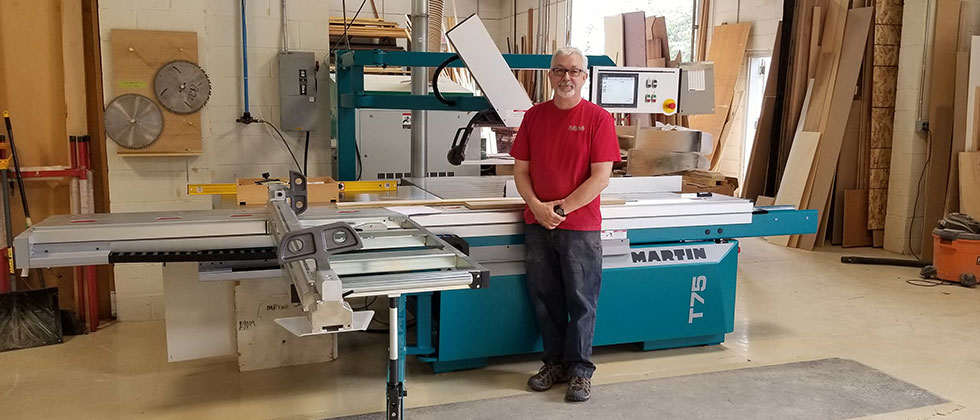
Table Saw: The Heart of Every Workshop
The table saw stands as the foundation of any type of woodworking workshop, symbolizing both precision and convenience. This important machine enables artisans to make straight cuts with exceptional precision, creating the basis for numerous tasks. Outfitted with a round blade placed on an arbor, the table saw allows individuals to adjust the deepness and angle of cuts, fitting different products and thicknesses.
Its durable style sustains huge work surfaces, making it suitable for ripping lumber and cross-cutting panels. Furthermore, the table saw typically features a fencing system, guaranteeing directly, repeatable cuts, which is essential for accomplishing uniform dimensions. Safety and security functions, such as blade guards and riving knives, improve the overall individual experience, decreasing the risk of crashes.
Essentially, the table saw is not simply a tool; it is the heart of the workshop, empowering artisans to bring their visions to life with ability and precision.
Miter Saw: Precision Angles Made Easy
Miter saws supply artisans with the capability to make accurate tilted cuts with simplicity, an important facet for numerous woodworking projects. These tools are specifically favored for their accuracy in crosscuts and miter cuts, allowing woodworkers to achieve best angles quickly. With flexible setups, miter saws accommodate different levels, enabling the creation of elaborate styles and accurate joints for frames, moldings, and furnishings.
Many miter saws come outfitted with a durable blade that ensures clean cuts, minimizing the demand for added sanding or completing. The user-friendly style permits quick configuration and adjustments, making it ideal for both beginners and skilled professionals.
In addition, the portability of many designs enhances their allure, enabling artisans to function on-site or in constrained areas. Overall, a miter saw is an indispensable device in any woodworking toolbox, supplying the accuracy and effectiveness needed for high-quality workmanship.
Band Saw: Versatility for Various Cuts
The band saw sticks out in woodworking for its remarkable convenience, fitting numerous reducing methods. This section will certainly discover the various sorts of band saws offered, highlight their vital attributes, and supply important maintenance ideas for peak efficiency. Understanding these facets will certainly make it possible for artisans to maximize the effectiveness of their band saws in diverse jobs.
Sorts Of Band Saws
Band saws are a staple in woodworking, supplying a remarkable range of cutting abilities that cater to numerous projects. There are a number of sorts of band saws, each made for particular jobs. The vertical band saw is ideal for intricate cuts and resawing, enabling woodworkers to produce exact joints and curved shapes. On the other hand, the straight band saw master cutting bigger items of product, making it appropriate for industrial applications. Mobile band saws provide adaptability for on-site work, while the benchtop version offers a compact option for smaller sized workshops. Each kind offers a distinct purpose, ensuring that artisans can choose the ideal device for their particular cutting demands, enhancing both accuracy and efficiency in their woodworking endeavors.
Trick Includes Explained
Convenience attracts attention as a specifying attribute of band saws, enabling woodworkers to deal with a wide selection of reducing tasks easily. These equipments succeed in making straight cuts, curved cuts, and intricate shapes, that makes them essential for various woodworking tasks. The flexible blade tension and variety of blade sizes boost their versatility, enabling artisans to change in between reducing thick lumber and fragile veneer. Furthermore, band saws commonly include adjustable reducing heights and sizes, supplying versatility in fitting various materials. The capability to do resawing further increases their utility, enabling users to develop thinner boards from thicker supply. On the whole, the band saw's combination of precision and versatility makes it a necessary tool in any kind of woodworker's workshop.
Maintenance Tips and Techniques
Maintaining a band saw is important for making certain perfect efficiency and durability. Regularly inspecting blade tension is important, as improper tension can cause inaccurate cuts and premature wear. In addition, maintaining the blade tidy prevents resin accumulation, which can affect reducing performance. Oiling the wheels and bearings reduces rubbing and extends the life expectancy of the saw. It is likewise crucial to inspect and straighten the blade overviews consistently to preserve straight cuts. In addition, changing used or broken blades without delay enhances both safety and security and performance. Guaranteeing the band saw is kept in a completely dry setting protects it from rust and rust, making it all set for precision cutting whenever needed. These maintenance techniques will maintain a band saw running efficiently and properly

Router: Shaping and Describing Woodwork
The router stands as a vital tool in the woodworking arsenal, understood for its capability to shape and information timber with accuracy. This functional device makes use of a rotating bit to sculpt detailed styles, grooves, and edges, making it important for both attractive and useful applications. Woodworkers use routers for jobs such as hollowing out locations, creating profiles, and adding decorative sides to furniture pieces.
With different attachments and little bits readily available, the router can produce an array of effects, from straightforward round-overs to intricate inlays. It accommodates both handheld and table-mounted configurations, enhancing its functionality throughout various projects. The speed and control provided by routers enable craftsmen to execute fragile deal with simplicity, making them a preferred for detailed styles. Eventually, a router improves the innovative opportunities in woodworking, making it possible for craftsmens to achieve the comprehensive surfaces that boost their craftsmanship to the next degree.
Planer: Achieving Smooth and Even Surface Areas
Woodworkers looking for to refine their jobs often turn to the planer, a vital tool helpful hints for accomplishing smooth and also surface areas. This machinery stands out at removing product from the surface area of wood boards, guaranteeing an uniform thickness and getting rid of imperfections. By making use of sharp blades and accurate settings, the planer can transform harsh lumber right into perfectly flat and refined surfaces, enhancing the total aesthetic and capability of the workpiece.
Planers can be found in numerous types, including mobile and stationary designs, dealing with different work space requirements and job demands. The flexibility of the planer enables woodworkers to take on a series of jobs, from great furnishings making to massive kitchen cabinetry. Routine maintenance, such as blade sharpening and cleaning, is crucial for peak performance and long life. Inevitably, the planer is a basic possession in any type of woodworking store, empowering craftsmen to attain professional-quality results continually.
Jointers: Perfecting Timber Edges for Seamless Joints
Jointers play a vital function in woodworking by ensuring that edges are flawlessly lined up for smooth joints. Different sorts of jointers satisfy various requirements and preferences amongst craftsmen, each offering special attributes and capacities. Proper upkeep of these makers is crucial for achieving peak efficiency and longevity.
Sorts of Jointers
Precision is crucial in woodworking, especially when it pertains to attaining smooth joints. Jointers Read More Here come in different kinds, each made to fulfill specific needs and preferences of artisans. The most typical kind is the standard jointer, featuring a flat table and a cutter head that allows for efficient edge flattening. For those needing portability, the benchtop jointer uses a small service without compromising capability. The bigger, industrial jointers give enhanced power and effectiveness, making them suitable for high-volume tasks. Additionally, spiral jointers include helical cutter heads that lower tear-out and provide smoother coatings. Comprehending the various sorts of jointers allows artisans to choose the right equipment for their tasks, guaranteeing precision and quality in every joint.
Jointers Upkeep Tips
How can craftsmen ensure the durability and performance of their jointers? Routine upkeep is vital. They should maintain the jointer tidy, removing sawdust and particles that can influence efficiency. Checking and readjusting the blades for intensity is necessary, as plain blades can cause inadequate cuts. Craftsmen ought to likewise check the infeed and outfeed tables for flatness, guaranteeing they are lined up properly. Oiling relocating components aids keep smooth procedure and minimizes wear. Furthermore, it is a good idea to periodically examine the motor and electrical parts for any indications of wear or damage. Keeping the jointer in a completely dry atmosphere safeguards it from corrosion and deterioration, additional prolonging its life-span and preserving its accuracy.
Dirt Collection System: Maintaining a Clean Work Space

Different choices are offered, varying from portable dust collection agencies to central systems that link to multiple machines. Choosing the appropriate system relies on the scale of the workshop and the sorts of tools utilized - Wood Glue Applicators. Routine upkeep, such as cleansing filters and inspecting for blockages, assurances peak performance
Frequently Asked Questions
What Safety Devices Do I Need for Woodworking Equipment?
To ensure security while using woodworking equipment, individuals ought to use safety goggles, ear protection, dust masks, and gloves. In addition, a first aid set and fire extinguisher ought to be readily accessible in the workshop.
Exactly how Do I Keep My Woodworking Machinery for Durability?
Routine upkeep of woodworking machinery includes cleansing, lubing moving parts, inspecting for wear, and tightening up loosened parts. Following supplier guidelines and scheduling YOURURL.com routine evaluations assurances peak performance and expands the life expectancy of the equipment.
What Kinds of Timber Are Ideal for Beginners?
Softwoods like yearn, cedar, and fir are optimal for beginners as a result of their workability and price. These woods are much easier to cut, form, and coating, making them ideal for preliminary woodworking tasks and skill growth.
Can I Utilize Woodworking Machinery for Other Products?
Yes, woodworking equipment can be made use of for other materials such as plastics, compounds, and soft metals. It's essential to readjust settings and devices properly to guarantee peak performance and avoid damages to both equipment and products.
How Do I Pick the Right Blade for My Saw?
Selecting the appropriate blade for a saw involves considering product kind, thickness, and preferred cut coating. Blade teeth matter and geometry likewise play essential duties, making sure peak efficiency for particular woodworking or reducing tasks.
Miter saws offer craftsmen with the capability to make specific angled cuts with convenience, an essential facet for lots of woodworking projects. Band saws are a staple in woodworking, supplying an exceptional array of cutting capabilities that cater to different jobs. The upright band saw is suitable for elaborate cuts and resawing, allowing woodworkers to produce precise joints and bent shapes. These machines succeed in making straight cuts, curved cuts, and intricate shapes, which makes them crucial for numerous woodworking tasks. Ensuring the band saw is kept in a completely dry environment secures it from corrosion and corrosion, making it ready for precision cutting whenever required.